









How to Adapt to The Rise of Eco-Friendly and Reusable Takeout Packaging
Eco-friendly and reusable takeout packaging has been on the cards for years and is finally here. What does this mean for your company? It’s a step in the right direction for the planet, but will it require a revolution in your business?




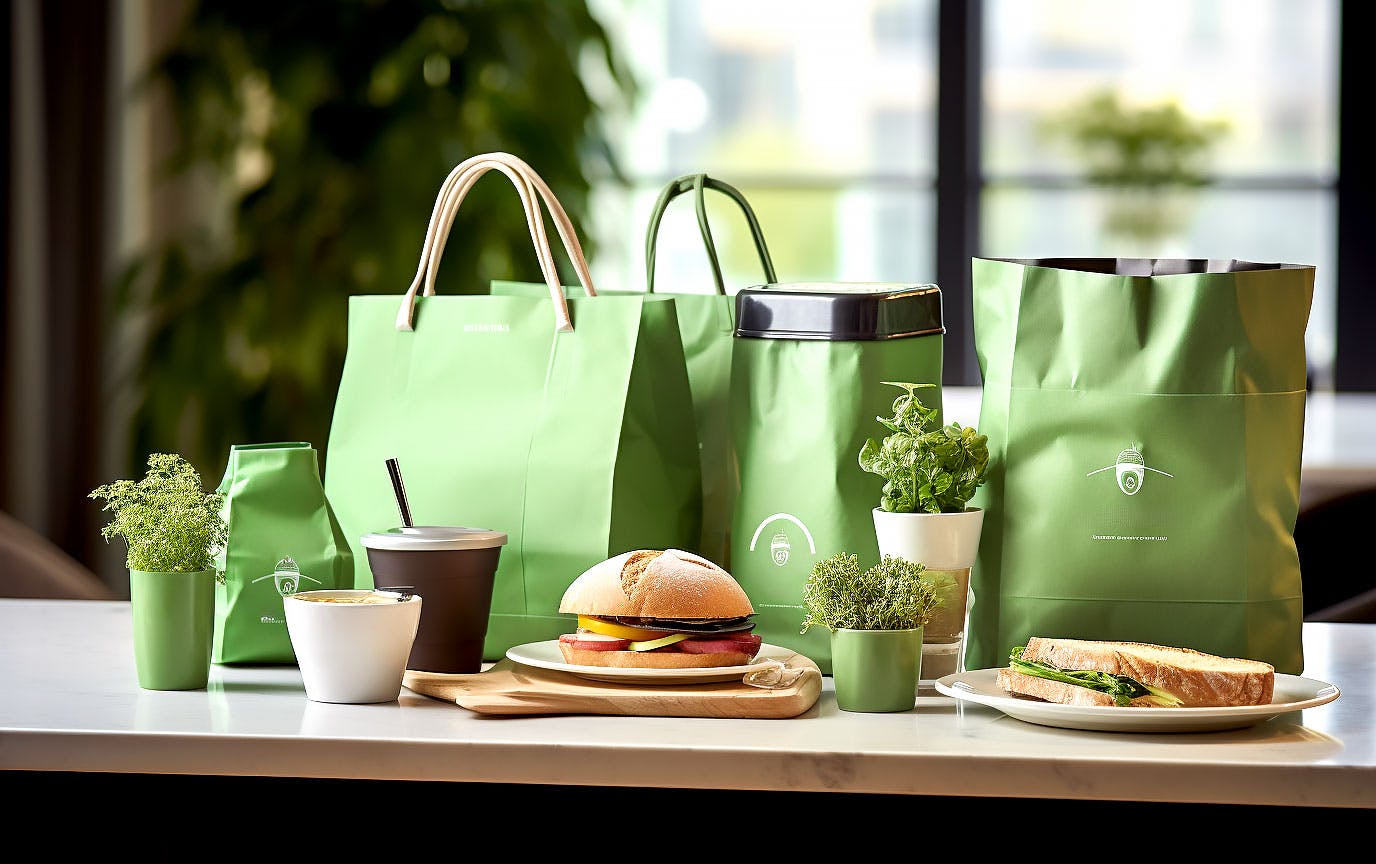
Eco-friendly and reusable takeout packaging has been on the cards for years and is finally here. What does this mean for your company? It’s a step in the right direction for the planet, but will it require a revolution in your business?
You’ll need to institute some changes, but don’t worry—they’re all manageable. We’ll take you through them so you can confidently face the eco-friendly future.
The growing importance of eco-friendly takeout packaging
In the 1960s, while getting ourselves into space, we were also starting down the single-use packaging route. Plastics were beginning to turn up everywhere, and we had scant knowledge of their effect on the biosphere.
We just thought of plastic single-use packaging as cheap and convenient. Not great for the Earth, though—so, in retrospect, it makes sense that we were looking to get off-planet.
Of course, since those heady days, it’s become clear that the more plastic we pump into the environment in the shape of trash, the worse it is for the world. It refuses to biodegrade, and it’s lethal for the animals that consume it or get stuck in it. It can enter the food chain so that we end up ingesting it ourselves.
So, to cut down on this damage, other sustainable delivery practices, including reusable takeout packaging, are being used, and we need to support these developments.

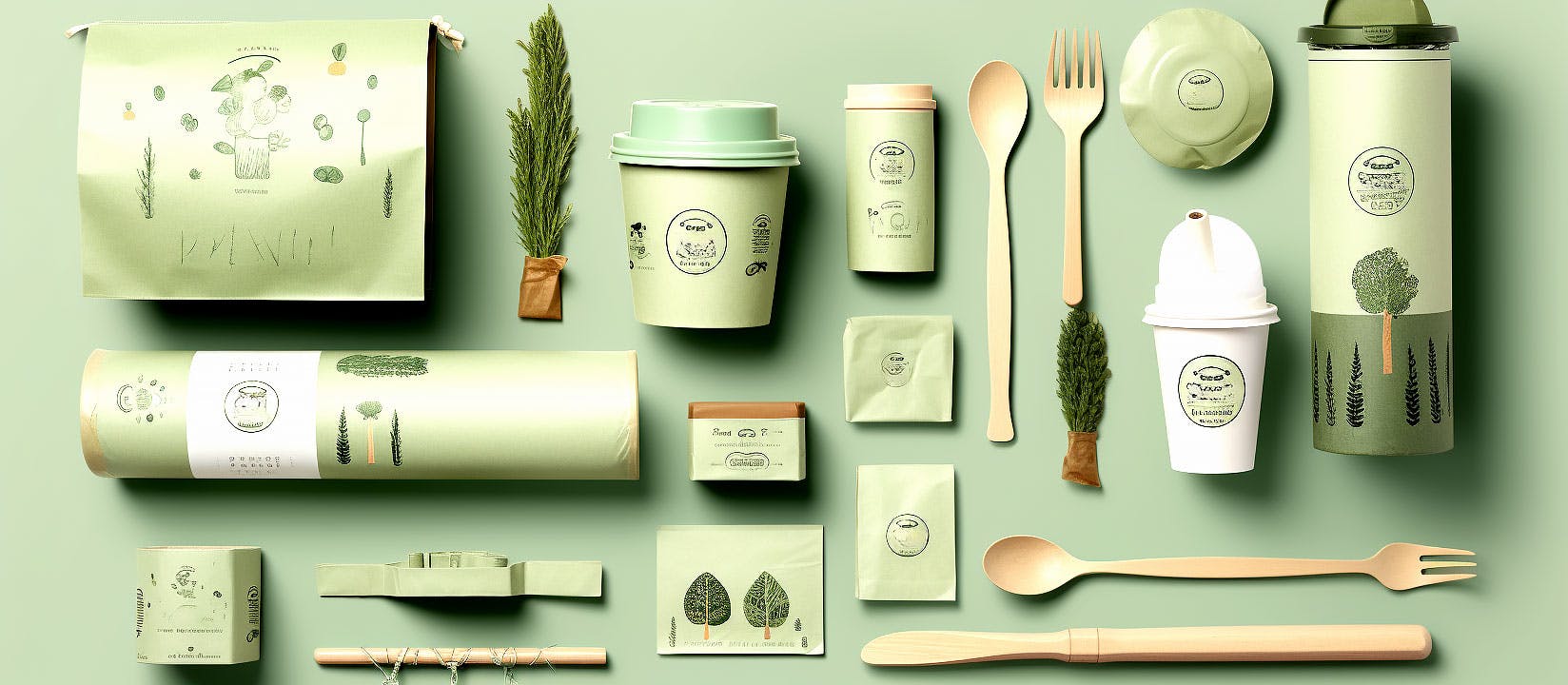
How to adapt to the rise of eco-friendly and reusable takeout packaging
So, let’s look at some steps you can take to become part of the solution.
Identify applicable sustainable packaging solutions
The good news is that you can try several sustainable packaging options. Some of them are as old as the hills, like paper and card, and are cheap to make and recyclable. (But, any waterproofing added may complicate this–check with your local recycling facilities.)
Paper isn’t the universal answer. The other (and far better) route is to encourage reuse. Again, this is a tried-and-tested path: Indians have enjoyed tiffin tins’ benefits for hundreds of years.
If a culture has become used to throwaway packaging, it can be a tricky shift to make. It’s challenging but not impossible.
Consider existing designs integrating more eco-friendly materials
You’ll no doubt have seen the rise in reusable coffee cups. Now enormously popular, they were overwhelmingly plastic when they first appeared. What’s more, other materials are currently being explored.
For instance, if we use reusable cups made from a sustainable material such as bamboo, so much the better. Disposable cartons are often now made from plant-based and degradable plastics.
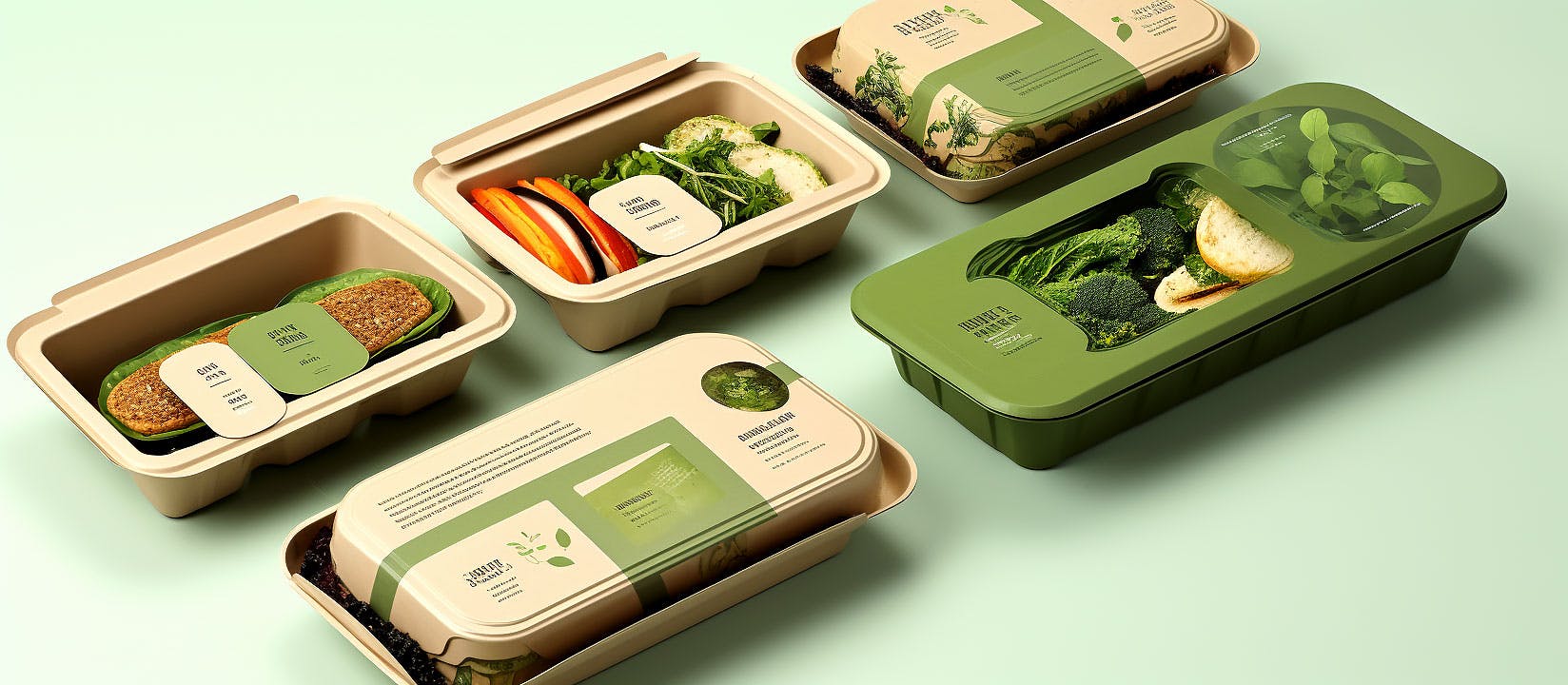
Assess according to cost-effectiveness and practicality.
Some materials will never work out due to being too expensive or unsuited to the task. For instance, 100% organic linen bags are great for the environment, but they will cost a business a great deal to use across their food operation. They’re also not ideal for liquids…
You should include the cost of disposing of single-use plastics in your calculations. Not just the cost to the planet but the cost to your business when stricter regulations inevitably come into play. It makes sense to be ahead of the statutory curve rather than frantically trying to catch up.
Seek viable partnerships with vendors offering sustainable options
Have a look at what vendors are doing in your operational area. Have they got some tremendous reusable takeout packaging ideas going on?
Perhaps they have a deposit scheme that incentivizes bottle or container return, for instance. If so, connect with them and see how to start a delivery operation together.
Ensure compliance with functionality and safety standards
Of course, any eco-friendly packaging solutions need to comply with relevant standards. It’s no good being on the side of the environment if you’re not on the side of the National Center for Environmental Health (NCEH).

So, when assessing packaging alternatives, please look at their NCEH compliance credentials. It shouldn’t surprise anybody that food packaging has to be safe. There needs to be evidence of testing to ensure no hazardous materials are within.
Educate customers and staff about the eco-friendly transition
Here’s the good news. It’s reckoned that 66-80% of Americans support current government climate actions, while 93% of EU citizens believe climate change is a severe problem. So, there’s a groundswell in favor of environmental protection. That said, high ideals can often stumble when it comes to a person’s everyday behavior.
This is why education is crucial. Information on your website and in advertising will help people understand why things must change. Staff also have an essential role here, so they’re clued up and onside.
With higher staff involvement, you can also look at reducing waste in other areas of your business. It has become increasingly common for restaurants to go paper-free by using online systems, like online billing software that eliminates paper records to kitchen management systems and handheld order-taking devices that reduce errors and the need for paper.
Provide clear instructions for recycling and composting
This one’s easy. You can put instructions on the side or the bottom of the packaging. Perhaps ask your delivery drivers to mention that the packaging is recyclable or compostable.
Again, don’t take the nagging route here. It’s important to get the tone right. We’re all in this together, and nobody’s judging.
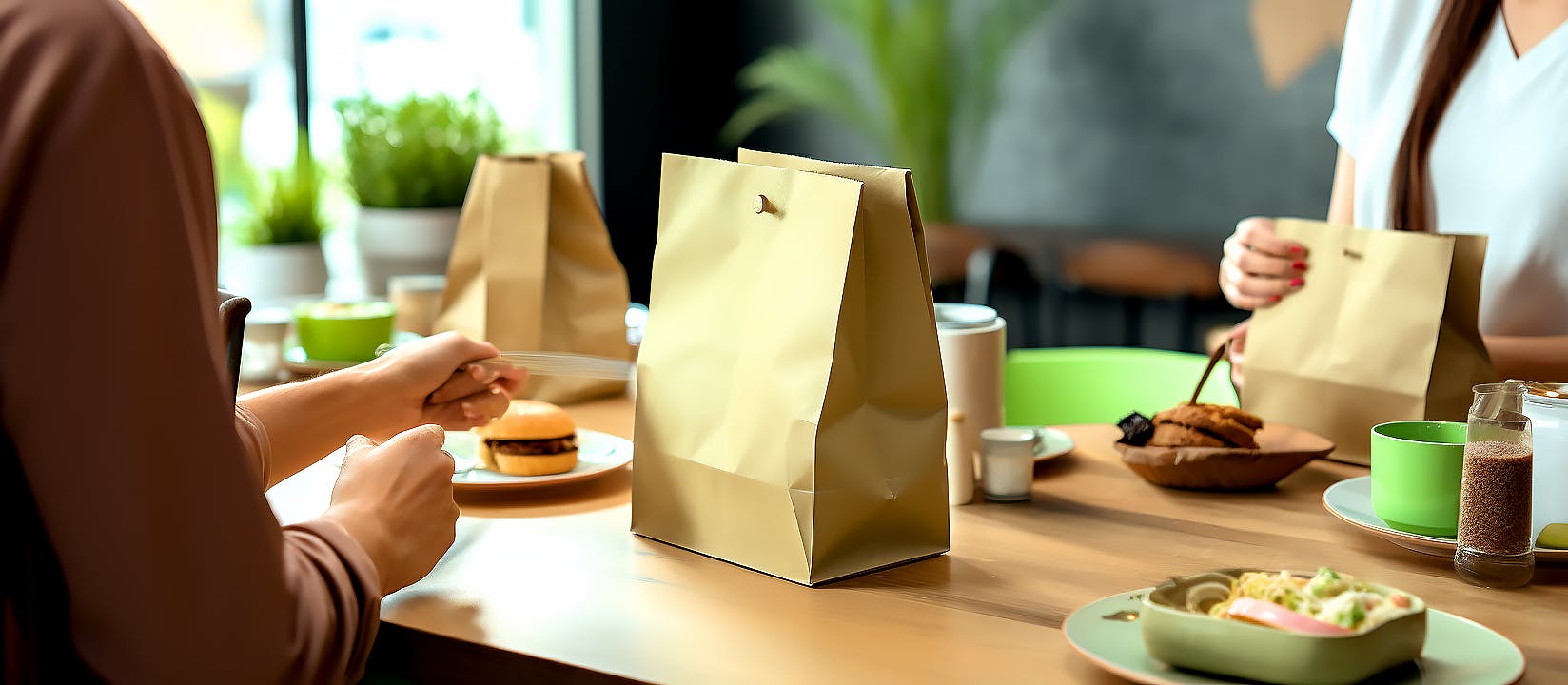
Continuously explore new and innovative sustainable options
Free to use image sourced from Pixabay
It’s important to keep an eye on developments to stay relevant. Things are changing very fast in the eco-friendly and reusable takeout packaging sphere. You may find cheaper alternatives present themselves, which will mean good news for the planet and your bottom line.
Of course, new materials will often mean new manufacturing processes and new manufacturing software systems, and these costs may be initially passed on to you. But remember that many of these processes will gradually become the industry standard, meaning the price will lower as an economy of scale kicks in. It’s all about the long-term thinking.
Repackage, reuse, and reform.
When it comes to single-use containers, there’s a massive role for sustainable materials and compostable packaging to play. They’re convenient and require relatively little consumer behavior change.
The most environmentally friendly food packaging solution is to adopt reusable container systems. However, getting consumers to understand the reusable items procedure may take some work. Container deposit schemes may have a part to play here.
These and other practices aimed at reducing the disposable container waste mountain are sensible in the face of the climate crisis, and you can help to make a world of difference.